Cladding
At Revolve Asbestos Solutions, we know that removing asbestos cladding NZ wide is crucial, and we’re doing all we can to dispose of it in our operating regions. We specialise in the safe and efficient handling of asbestos cladding, a material once commonly used in building exteriors across New Zealand. Our team possesses in-depth knowledge and experience in dealing with asbestos cement cladding, ensuring that every project we undertake meets the highest safety standards.
Dedicated to Safe Asbestos Roof and Wall Cladding Solutions
Our services extend to all facets of asbestos cladding, with a particular focus on asbestos roof cladding. We understand the complexities involved in these types of projects and are equipped with the necessary skills and tools to handle them. Removing asbestos cladding NZ wide is important to Revolve solutions, which is why we want to remove all we can in our operating regions. We employ the latest techniques and adhere to strict regulatory guidelines to ensure safe and effective removal.
Your Trusted Partner in Asbestos Cladding Removal
Choosing Revolve Asbestos Solutions means you are partnering with a team that is dedicated to your safety and the safety of the environment. Our approach to asbestos cladding removal is thorough and considerate, minimising any potential disruption to your daily life or business operations. We pride ourselves on our transparent communication and professional service, ensuring that our clients are well-informed and comfortable throughout the entire process. With Revolve Asbestos Solutions, you can rest assured that your asbestos cladding concerns are in the hands of experts.
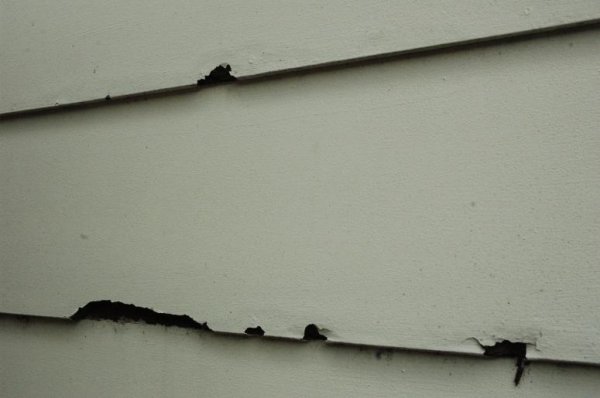
Early homes built in New Zealand can have asbestos cladding especially if it is built using concrete type weather boards. Asbestos cladding refers to the external covering or siding of a structure that contains asbestos fibers. Removing asbestos cladding is essential to mitigate the health risks associated with asbestos exposure.
Here's an explanation of the process:
- Assessment: Before initiating the removal process, it is crucial to assess the extent and condition of the asbestos cladding. This assessment helps determine the appropriate removal techniques and safety precautions required.
- Asbestos Removal Plan: A licensed asbestos removal company will develop a detailed plan outlining the specific procedures for removing the asbestos cladding. The plan includes considerations such as containment measures, protective equipment, waste disposal, and decontamination protocols.
- Containment: To prevent the spread of asbestos fibers, the work area is enclosed and sealed off using plastic sheeting or other suitable barriers. This containment prevents the fibers from escaping into the surrounding environment.
- Personal Protective Equipment (PPE): Workers involved in the removal process wear appropriate PPE, including disposable coveralls, respirators with high-efficiency filters, gloves, and shoe covers. This protective gear helps minimize direct contact with asbestos fibers.
- Wetting and Removal: Asbestos cladding is typically wetted down before removal to minimize the release of fibers. Wetting helps to reduce airborne contamination. The cladding is carefully removed in sections, ensuring minimal disturbance to the asbestos-containing materials.
- Waste Disposal: All asbestos-containing materials, including the removed cladding, are treated as hazardous waste. They are securely packaged and labeled according to local regulations and transported to an approved disposal facility for safe and proper disposal.
- Decontamination: After the removal process, all workers and tools undergo a thorough decontamination procedure to eliminate any potential asbestos fibers. Decontamination includes using specialized equipment, such as vacuum cleaners with HEPA filters, and following strict cleaning protocols.
- Air Monitoring: Air monitoring is conducted during and after the removal process to ensure that the airborne asbestos fiber levels are within safe limits. This monitoring helps verify the effectiveness of containment measures and confirms the safety of the work area.
It is crucial to engage a licensed asbestos removal company like Revolve Asbestos Solutions, with experience in asbestos cladding removal. They will follow strict guidelines and regulations to ensure the safe and proper removal of asbestos materials, minimizing the health risks associated with asbestos exposure.
We Help Identify any Asbestos-Containing Material on your Property
We provide a seamless and hassle-free service for our clients in terms of asbestos removal, testing, and disposal. We are committed to deliver quality services that meet your specific requirements and exceed your expectations. Call us today to deal with this vital task quickly and efficiently.